
Selecting the appropriate exterior or interior panel system is a major decision for any building project. Regardless of whether you are building a commercial building, residential property, or institutional space, your choice of materials will influence how long it lasts, its appearance, cost, and long-term performance. Fibre cement panels and phenolic resin panels are two popular choices today. Both materials possess their strengths, applications, and limitations.
This guide describes the key differences between fibre cement panels and phenolic resin in simple, straightforward language. At the end, you will have a better idea of how each of the options works and which one might be the correct choice for your project.
Understanding Fibre Cement Panels
Fibre cement panels are prepared by using a blend of cement, sand, glass fibres, and water. This mixture produces a solid yet robust panel, which is expected to last several years. Durability and a clean appearance are among the reasons fibre cement panels are popular for exterior cladding and interior wall systems.
Fibre cement panels are prevalent in Canada because they can withstand severe weather conditions. These panels are resistant to moisture, fire, and pests and can be used in a large variety of settings. Modern buildings tend to use fibre cement cladding panels due to their smooth, architectural appearance.
Common Uses of Fibre Cement Panels
Fibre cement facade panels are commonly used on the exterior of buildings. They offer a smooth surface while still covering the structure beneath. Fibre cement wall panels are also used internally in buildings, as feature walls, in corridors, and in heavily used spaces.
Due to the strength and stability of fibre cement panels, they are commonly used in schools, offices, health facilities, and residential developments. The fact that they can retain their shape and appearance with time makes them a good option.
Benefits of Fibre Cement Panels
- Durability
This is one of the major benefits of fibre cement panels. They never rot, warp, or attract insects. This renders them suitable for long-term applications. Another benefit of fibre cement panels is their fire resistance, which is important for safety and building codes.
- Design Flexibility
Fibre cement cladding panels may be painted or covered in various colours and textures. This enables architects and designers to attain diverse appearances with the same base material.
- Low Maintenance
Maintenance is also quite easy. Depending on the finish, fibre cement facade panels normally only need simple cleaning and regular repainting.
Understanding Phenolic Resin Material
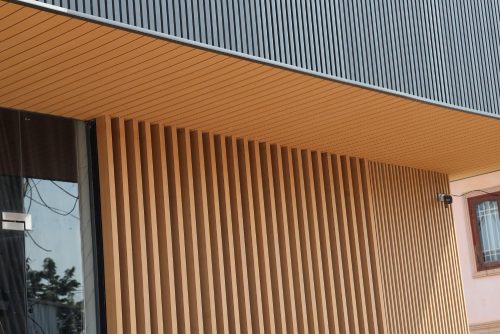
Phenolic resin material is a synthetic substance that is formulated through compression of layers of paper or fibres that have been immersed in resin under high pressure and heat. The outcome is a dense and hard panel, which works well in challenging environments.
Phenolic resin panels are known for their strength, moisture resistance, and smooth surface. Due to their properties, phenolic resins are popular in applications that require hygiene, durability, and toughness.
Phenolic resin is often purchased for projects where performance matters more than appearance.
Common Uses of Phenolic Resin Panels
Phenolic resin panels are commonly utilized in laboratories, hospitals, schools, and commercial washrooms. They are also applied in exterior works, particularly in ventilated facade systems.
Phenolic resin panels are also waterproof and resistant to chemicals, making them perfect for use in places where cleanliness is of the essence. Phenolic resin is also used in industrial and high-traffic areas.
Benefits of Phenolic Resin Panels
- Moisture and Chemical Resistance
The resistance to moisture and chemicals is one of the biggest benefits of phenolic resin panels. They do not absorb water, which prevents swelling or damage. This makes them suitable for both interior and exterior applications.
- Durability
Phenolic resin material is also highly strong. It is resistant to scratches, impacts, and wear. Such durability makes it a favourite in the public space.
- Low Maintenance
Phenolic resin panels are easy to clean and do not require painting or sealing. This can save time and money throughout the life of the building.
Comparing Durability and Lifespan
Durability is a major factor when comparing fibre cement panels and phenolic resin panels. Both materials are strong, though their performance differs.
Fibre cement panels are superior in protecting structures over the long run. They are adaptable to weather conditions and do not change shape over time. Fibre cement panels in Canadian projects usually depend on this strength to withstand freeze-thaw cycles.
Phenolic resin panels are also very durable, particularly in areas where there is a lot of moisture or where there are chemical conditions. Nonetheless, they can be hypersensitive to extended UV radiation based on the quality of the products.
When properly installed, both materials can last many years; however, environmental factors significantly affect which choice is better.
Appearance and Design Flexibility
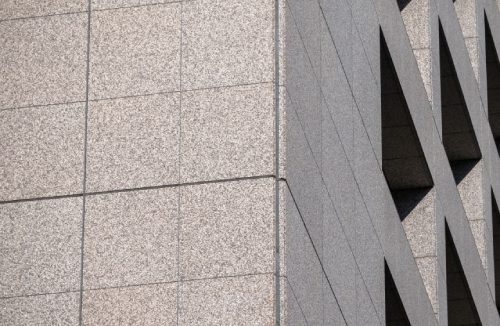
Another factor of importance is design. Fibre cement panels are commonly selected for their natural and architectural appearance. Fibre cement cladding panels may resemble stone, concrete, or smooth modern finishes.
Fibre cement facade panels are frequently used in projects that emphasize clean lines and contemporary style. They are customizable in colour and texture to suit the design objectives of a building.
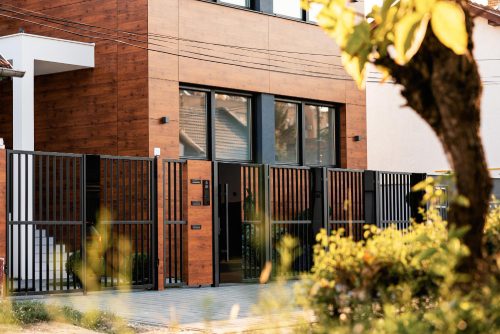
Phenolic resin panels are smoother and more uniform. They come in lots of colours and patterns, and appear more industrial or modern. However, many high-quality phenolic resin panels used in architectural cladding and facade applications feature a real wood veneer layer on the surface. This allows them to achieve a natural, premium wood appearance while still offering excellent moisture resistance, impact strength, and durability.
Compared to fibre cement, phenolic resin material can deliver both modern finishes and realistic wood-look designs, making it suitable for high-end and visually demanding projects.
Installation Differences
The requirements during installation may affect your decision. Fibre cement panels are heavier and may require stronger support structures. It should be installed properly in order to avoid cracking or movement.
Phenolic resin panels are also usually lighter and easier to handle. This can save on installation time and labour costs. Specialized mounting systems might, however, be necessary depending on the application.
Employing skilled personnel ensures that the materials are properly installed and work as intended.
Maintenance and Long-Term Care
Another area where differences are seen is in maintenance. To preserve the look of fibre cement panels, they might require regular cleaning and repainting. Finishes may fade over time, particularly where there is a lot of sun.
Phenolic resin panels require minimal maintenance. They are stain-resistant and can be cleaned using simple solutions. This makes them appealing to facilities with high standards of cleanliness.
Maintenance requirements should be taken into consideration, as well as material costs, when comparing long-term costs.
Cost Considerations
Cost is usually a determining factor. Generally, fibre cement panels have a lower initial price. This makes them attractive for large projects or cost-conscious constructions.
The manufacturing process and performance characteristics of phenolic resin panels tend to make them more expensive. When you buy phenolic resin, you are paying for durability, resistance to moisture, and low maintenance.
The correct decision is based on your budget and the building’s intended long-term use.
Environmental and Safety Factors
Fibre cement panels are manufactured from natural materials and are usually regarded as environmentally friendly. They are also highly fire-resistant, and this is an added safety measure.
Phenolic resin material is also fire-resistant, though its performance varies by product. Certifications and testing results should be revised.
When properly selected and installed, both materials can meet building codes.
Climate Considerations in Canada
Climate has a significant influence on the choice of materials. The installation of fibre cement panels in Canada is advantageous because the material can withstand cold weather and moisture fluctuations.
Phenolic resin panels also work in Canadian climates, particularly in controlled facade systems. Nevertheless, to guarantee UV and temperature resistance, one must select the right product.
Knowledge of local conditions assists in deciding which material would be suitable for your project.
Choosing the Right Material for Your Project
The selection of fibre cement panels or phenolic resin panels mainly hinges on how and where the material is to be used. The decision depends on exterior facades, interior walls, high-traffic areas, and moisture exposure.
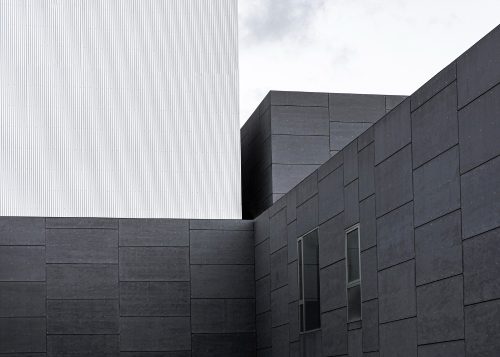
Fibre cement wall panels are frequently selected for projects where appearance, fire resistance, and long-term structural stability are important. Phenolic resin application is best for situations where hygiene, resistance to moisture, and longevity are essential.
Collaboration with professionals who are familiar with both materials is the best.
Common Mistakes to Avoid
One of the most common errors is selecting materials solely based on price. A lower initial expense can lead to higher maintenance or replacement costs in the future.
Other mistakes are neglecting installation requirements. Both phenolic resin and fibre cement panels require appropriate systems and experienced installers to perform well.
Planning and consulting with experts can prevent these problems.
Conclusion: Making the Right Choice With Confidence
Fibre cement and phenolic resin panels offer good performance and a modern design. Fibre cement panels are durable, fire-resistant, and architecturally attractive, and can be used in most exterior and interior applications. The phenolic resin material is also moisture-resistant, strong, and low-maintenance, making it suitable for challenging environments.
The option with the most success will depend on your building’s requirements, the budget, and overall objectives. Knowledge of each material’s performance helps you make a confident choice.
If you are undertaking a panelized construction project and need professional advice, Ontario Panelization is here to assist you. Our team focuses on fibre cement cladding and facade panels, as well as phenolic resin panels, serving a diverse range of applications.
Our goal is to provide superior exterior wall assembly through improved building techniques and strong partnerships. Contact us today to discuss your project and find an appropriate panelling solution that delivers performance, durability, and value.