
With energy efficiency and sustainability being key to the design of modern buildings, solar panel cladding is rapidly gaining traction as the preferred choice of architects, engineers, and developers. However, the move to incorporate solar cladding into your building should not be hastened. It is a long-term investment; it requires planning and evaluation.
In this article, we will outline the most important considerations that can either make or break your solar panel wall cladding project.
Building Structure and Load-Bearing Capacity
Among the first things to check is whether your building is physically capable of supporting the weight of a solar cladding system. In contrast to traditional rooftop panels, solar cladding panels are built into the building envelope, so your building will need to support the total weight of the facade and the photovoltaic panels.
In the case of existing buildings, it normally entails a comprehensive structural engineering assessment. Otherwise, you might overload your facade, and this may affect not only the efficiency of the system but also the integrity of your building in the long run. When dealing with BIPV cladding, the modules should be supported in a manner that complies with safety codes and the manufacturer’s recommendations.
At Ontario Panelization, we prioritize preliminary cooperation with architects and engineers to minimize rework and compliance issues later in the project.
Compatibility With Existing Facade Materials
Not all buildings are retrofitted to feature solar-clad walls. You may need some extra sub-framing and alterations in case your existing exterior is made of materials that are incompatible with solar cladding panels, such as certain composite metals or systems with high thermal movement.
This affects the price and the difficulty of your installation. Photovoltaic cladding is safe to use on certain buildings that require reskinning or an intermediate layer of attachment. It is equally important to know what lies behind your facade as it is to plan what will be in front of it.
Compatibility is not only a matter of materials but also of aesthetics. Although solar facade cladding is immensely flexible, it is not as simple as it may seem, as it can be combined with architectural details and requires coordination and customization. When you work with a cladding professional, such as Ontario Panelization, you gain access to systems designed for seamless integration.
Local Climate and Solar Exposure
The location of your building is a very big factor in the effectiveness of your solar panel cladding. If your facade is strongly shaded by trees, adjacent buildings, or architectural overhangs, the energy production of your photovoltaic cladding panels can be significantly decreased. This impacts both your financial payback and your ability to achieve sustainability targets.
The orientation also counts. The south-facing facades will give the best yield. However, the east and west orientations may also work depending on your energy requirements. Solar modelling can give you a clear indication of how the system will perform, and this can assist you in making more intelligent choices.
is it important to collaborate with energy consultants to conduct solar exposure simulations before selecting cladding materials. This ensures that each panel in your solar cladding system is effective for generating energy.
Energy Goals and System Sizing
It is essential to determine what you want to achieve before selecting any solar panel wall cladding. Do you want to cover 20% of your building’s energy consumption, or do you aim for net-zero energy performance? Such objectives will determine the number of solar cladding panels you require, the kind of technology you need, and how it is to be spread on your facade. According to research, “Operational energy use in buildings represents about 30% of global final energy consumption” (IEA).
With the help of a skilled provider like Ontario Panelization, you can ensure that your BIPV cladding not only looks beautiful but is also perfectly aligned with your energy goals.
Regulatory Approvals and Permits
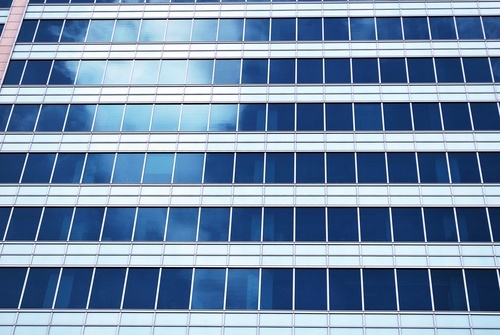
The process of installing solar panel cladding in Ontario involves undergoing multiple levels of regulatory scrutiny. There are building codes, electrical codes, and even zoning requirements in the city, all of which apply particularly when installing a full solar facade cladding system on a commercial building.
It is not unusual for the approval process to take several weeks, especially when your building is located in a heritage area or a high-density zone. In addition to the allowance, fire safety codes and electrical inspections are also required, as BIPV cladding systems are regarded as exterior envelope materials and an on-site power source.
Architectural Design Intent and Visual Impact
The solar cladding boasts one of the most attractive features: integrating functionality and architecture. However, the key success factor is to ensure that the energy performance does not compromise the aesthetic vision of the building.
Solar wall cladding can be tailored to suit almost any contemporary facade in terms of panel colour, glass transparency, size, finish, and patterning. Still, it needs to be incorporated into the design at an early stage. Leaving the look of your solar cladding system to the last minute usually results in a trade-off that damages the form and functionality.
Budget Constraints and Long-Term ROI
On the one hand, solar cladding panels are indeed an investment in the future of your building; on the other hand, they do have upfront costs that must be factored into your planning. Photovoltaic cladding is typically more expensive per square foot than traditional cladding, and this does not include the cost of energy infrastructure, such as inverters and mounting systems.
This increased initial cost can, however, be compensated in the long run by energy savings, government rebates, and long-term durability. When it comes to sustainable energy, focus on the 25-year to 30-year performance projection of your solar cladding system rather than the short-term price.
Installation Logistics and Timeline
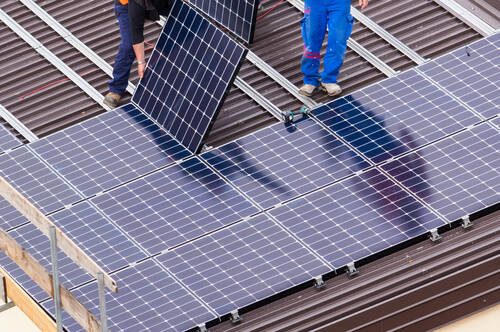
Solar cladding installation differs from ordinary wall panel installation. It entails accuracy in electrical work, interconnection with the building’s energy systems, and interdependence with various trades. The process of installing solar panel cladding may be more time-consuming and labour-intensive, as it combines both architectural and electrical purposes.
Maintenance Requirements and Accessibility
BIPV cladding systems are not very demanding in terms of maintenance, but they still require regular cleaning and inspection to maintain optimal performance. Your solar cladding panels may become inefficient due to dust, bird droppings, and environmental residue, particularly when the panels are difficult to access after installation.
Plan the access points of maintenance and facade cleaning strategies. What will your building have for access, such as rope access, suspended scaffold, or some other method to maintain the solar wall cladding safely? If these factors are not considered early enough, then it might end up being too costly or dangerous to service in the future.
Designing for maintenance, you not only safeguard your investment but also increase the lifespan and productivity of your photovoltaic cladding panels.
Manufacturer and Installer Credentials
Not all solar panel cladding systems are created equal. The skill of your manufacturer and installer can significantly affect the performance, appearance, and lifespan of the system. Seek out manufacturers offering CSA-certified photovoltaic cladding products that are well-established in facade integration.
Your installation team is just as important. Cladding is an art, an art that requires accuracy, particularly when it comes to electric power. Selecting a team with experience in solar cladding systems will help eliminate future challenges that could be expensive to rectify, such as electrical faults and misaligned panels.
Our trained and certified partners and in-house experts at Ontario Panelization are also trained on the latest facade systems as well as integrated photovoltaic technologies, and will provide a smooth and dependable installation each time.
Warranty Terms and Performance Guarantees
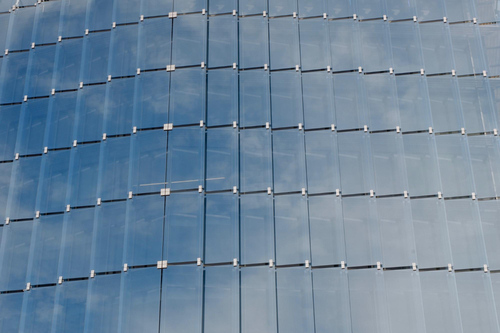
A thorough examination of the warranty is necessary before investing in any solar cladding product. Most manufacturers have two types: one for the physical product and another for the energy performance. The standard warranty for a solar panel of cladding may be 25 years of performance at an 80 percent output, although this may vary.
You ought as well to be very clear as to who is liable in case of defects: the manufacturer, the installer, or both. If your BIPV cladding system includes custom elements, ensure that these items are well-supported by documentation and clear performance indicators.
Warranties do not only mean paperwork; it is an indication of product confidence and accountability on the part of the supplier. Do not make a step without knowing what protection you are receiving with your solar facade cladding.
Conclusion: Making an Informed Decision for Your Building
The decision to opt for solar panel cladding is not only about being green, but it is also about having design, engineering, and financial priorities that are integrated into one solution. Whether you want performance, aesthetics, or sustainability, the key to success is to ask the right questions early and often.
Whether it is the structural load and compliance, the aesthetics of the design, or the ROI of energy, all these details play a role in the success of the system. With the help of specialists who are knowledgeable about the role of solar cladding panels in the broader construction environment, you can avoid common mistakes and build lasting value.
Contact us today. At Ontario Panelization, we assist architects, developers, and property owners in unleashing the full potential of photovoltaic cladding through planning, accurate installation, and visionary design.