
Solar facades are emerging as a trend in the rapidly evolving landscape of sustainable architecture, serving as a disruptive technology in energy-efficient building envelopes. However, despite technological progress and the impressive applications of these projects, a great variety of myths about solar systems persists, obscuring the minds of architects, engineers, and developers.
These myths are typically based on outdated experiences or misconceptions regarding the performance, appearance, and integration of modern facade solar panels in real-life projects. It is time to clear the air with high-efficiency technologies, such as building-integrated photovoltaic panels that are currently available.
In this blog, we debunk seven of the most enduring solar energy myths and explore how innovative solutions, such as photovoltaic solar panel facades, are transforming the future of sustainable building design.
Myth #1: “Solar Panel Facades Are Ugly and Obtrusive”
This is perhaps the most common myth in both the architectural and construction communities. Many assume that solar panel facades will compromise a building’s appearance, standing out awkwardly against sleek modern designs. That couldn’t be far from the truth.
Modern facade technologies have made it possible for solar panel building facade systems to blend seamlessly into the visual language of a structure. Modern photovoltaic glass panels come in large formats with a clean, black-glass finish that enhances rather than diminishes architectural appeal. Actually, the solar glass facade is not only practical but also aesthetically appealing in most of the advanced buildings.
At Ontario Panelization, we offer products such as Solstex, which enables design teams to mix solar surfaces with high-quality materials, including ceramic, natural stone, and aluminum composite panels. The result? Facades that provide form and functionality.
Myth #2: “They Don’t Generate Enough Power to Matter”
Another persistent misunderstanding is that solar panels are based on outdated performance metrics. Decades ago, that may have been partially true—solar technology struggled to deliver meaningful energy output from vertical surfaces. But those days are over.
Advanced systems, such as building-integrated photovoltaics (BIPV), now provide a high energy yield, even when mounted vertically. The solar facade is no longer a secondary energy supplement; it can make a measurable contribution to a building’s power requirements. This is particularly true when using high-efficiency materials incorporated into the photovoltaic solar panel facade systems offered by Ontario Panelization.
Whether in dense urban environments or commercial zones where rooftop real estate is limited, facade solar panels now enable developers to reclaim unused vertical space for energy generation, making every square metre count.
Myth #3: “They Only Work in Sunny, Warm Climates”
This is one of the most misleading solar system myths still influencing design decisions. The notion that solar technologies are only effective in warm, sunny environments is totally wrong.
The reality is that solar facades are designed to perform effectively in a range of climates, including those with cold, cloudy, and snowy conditions. In fact, some types of photovoltaic glass used in solar panel facade systems perform more efficiently in lower temperatures, making them ideal for climates like Canada’s. According to a study, “High temperatures reduce solar PV efficiency by 0.4–0.5 % per degree Celsius” (ScienceDirect).
Snow can even help clean the panels as it melts, enhancing performance over time.
Ontario Panelization has worked with facade systems that are designed for harsh weather, ensuring that your energy output remains consistent regardless of seasonal changes. High-efficiency building-integrated photovoltaic panels are not climate-restricted—they are climate-adaptable.
Myth #4: “They’re Too Expensive and Not Worth the ROI”
This is probably one of the most financially illogical solar panel myths. While the upfront cost of a solar panel facade system may seem high when compared to traditional cladding materials, the long-term return on investment is significant.
Modern systems, such as photovoltaic solar panel facades, are typically self-financing within 10 to 12 years based solely on energy savings. Additionally, these systems are often eligible for tax incentives, grants, and credits, particularly if they contribute to green building certifications such as LEED or Net Zero Energy.
When you also consider the fact that solar panel building facade systems replace traditional exterior materials (instead of adding additional layers), the cost difference becomes even smaller. The energy savings and environmental benefits created by these systems far outweigh the initial investment over the building’s lifetime.
Ontario Panelization assists clients in calculating not only the cost but the complete financial picture, balancing initial investment with long-term benefits. When you combine energy performance with design flexibility, the ROI will be difficult to ignore.
Myth #5: “Installation is Complex and Disruptive”
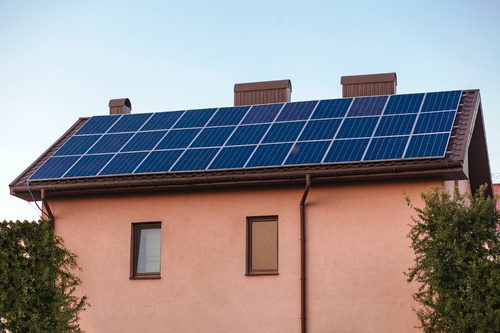
While this concern may have been valid a decade ago, it no longer applies to modern solar facade systems. Thanks to advances in prefabrication and system integration, today’s photovoltaic solar panel facades are far easier to install than many assume.
Take Solstex, for example. This system involves lightweight aluminum framing and large-format panels that can be easily attached to a range of substrates. Installation is clean and easy, whether you are working on a new structure or retrofitting an existing one.
Above all, modern systems are modular. This facilitates easier coordination of trades and reduces on-site changes, enabling teams to maintain timelines and budgets.
With years of experience in providing building-integrated photovoltaics (BIPV), Ontario Panelization collaborates with architects, contractors, and engineers to ensure that installation is not a bottleneck, but a competitive advantage.
Myth #6: “Solar Panels Reduce the Building’s Aesthetic Value”
This myth is based on the visual memory of heavy rooftop systems with bare brackets and wires, not on modern solar panel facade systems. In fact, current solar glass facade systems are aesthetically oriented.
With the development of photovoltaic glass, architects can now incorporate energy-producing surfaces without compromising the aesthetic balance of the building. In contrast to traditional panels, which are usually add-ons, building-integrated photovoltaics (BIPV) are integrated into the identity of the structure, becoming part of it, not placed on top of it.
Designers are no longer forced to choose between sustainability and beauty. With products like Solstex, the panels resemble sleek black glass. They can be coordinated with a wide variety of facade materials—such as aluminium composite panels, natural stone, or ceramic surfaces. Solstex® also offers a wide range of finishes and colours—from monochromes like black and white to textured panels such as Corten and Terracotta. Whatever your project style, Solstex® has a finish to match.
In commercial, institutional, and even residential applications, facade solar panels can now be a signature feature of architectural creativity, not a design burden.
Myth #7: “Solar Systems Are Fragile and Don’t Last”
Another false assumption is that solar panel facade systems are delicate or prone to damage—perhaps due to the misconception that all glass is brittle. But modern photovoltaic solar panel facades are built for resilience, not fragility.
Today’s building-integrated photovoltaic panels are constructed using tempered safety glass and aluminum framing engineered to withstand extreme environmental conditions. From wind and snow to UV exposure and thermal cycling, these systems are made to last decades with minimal maintenance.
Photovoltaic glass has proven to be long-lasting in North American projects. Additionally, its smooth surface does not accumulate dirt and typically requires only basic cleaning, similar to ordinary cladding materials.
Our systems are specifically tailored to North American climates, which are reliable in challenging areas such as Ontario, Quebec, or British Columbia. These facades are tough, yet beautiful when properly installed—and they produce energy in the process.
Bonus Insight: How Architects and Builders Are Leveraging Solar Panel Facades
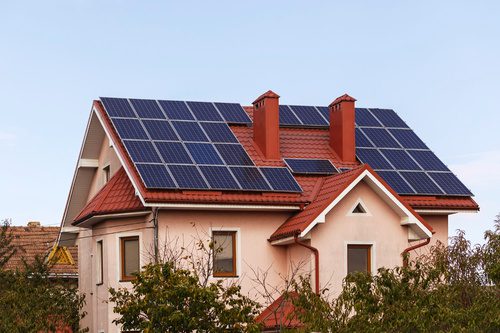
- Design Freedom: Architects are embracing the use of solar panel facade systems as an opportunity to reimagine exterior design. These systems are now being incorporated into the creative toolbox of sustainability-conscious designers, combining performance with aesthetics.
- Vertical Real Estate Optimization: In cities where rooftops are already full of HVAC units and green roofs, facade solar panels open up a new dimension, transforming walls into active energy generators.
- Certification and Compliance: As green building standards continue to increase in difficulty, building-integrated photovoltaics (BIPV) assist projects to achieve LEED, Net-Zero, and other environmental standards.
- Market Differentiation: For developers, incorporating photovoltaic solar panel facades into commercial buildings has become a competitive advantage, offering future-proofed, energy-conscious design that tenants and investors are increasingly seeking.
How Ontario Panelization Helps You Design With Solar in Mind
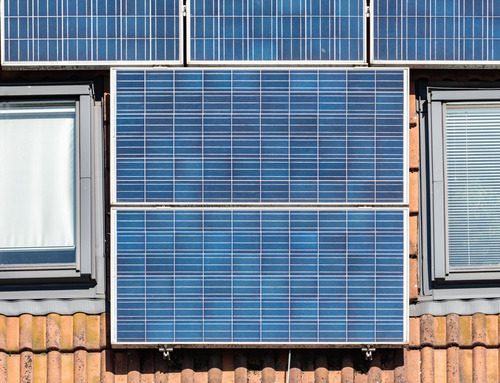
- Product Offering: At Ontario Panelization, we offer the Solstex system—a photovoltaic glass facade system that functions as both an energy generator and architectural cladding.
- Application Flexibility: Suitable for use in both new construction and retrofit projects due to its lightweight, large-format panel design.
- Aesthetic Compatibility: Blends perfectly with other facade systems, such as Aluminum Plate, ACM, Ceramitex, and natural stone.
- Design Support: Offers comprehensive service partnership, including project consultation, system customization, fabrication, and installation support.
- Performance Assurance: Our photovoltaic solar panel facades are LEED-friendly, low-maintenance, and aesthetically striking, designed to withstand all weather conditions.
- Facade Expertise: With over 40 years of experience, we ensure that your building with photovoltaic panels incorporates the best of both form and function.
Conclusion: Let’s Bury These Solar Panel Myths for Good
The debate on solar energy myths must be grounded in reality. No longer heavy, inefficient, and ugly, today’s modern solar facade systems provide an attractive combination of power, beauty, and functionality that is difficult to ignore.
The facts are clear: photovoltaic glass is durable, solar panel facade systems are easy to install, and these are smart and sustainable choices for the built environment.
With the construction and design industries moving towards a more energy-efficient future, Ontario Panelization is leading the way, providing the most innovative solutions that align perfectly with your vision.
Looking to combine cutting-edge design with real energy performance? Contact us today to start your project with us and discover what’s possible.