
ACM panel vs. aluminum plate is the comparison between an aluminum composite material panel with an aluminum skin bonded to the core and a solid aluminum plate panel made of thicker aluminum. While both are applicable for architectural facade cladding, they differ in several aspects, including weight, fabrication, cost, durability, impact resistance, fire considerations, and suitability for projects.
Key Takeaways:
- ACM panels are made of thin aluminum skins bonded to a central core (polyethylene or fire-rated mineral-filled); the aluminum plate is a single solid sheet of aluminum.
- An aluminum plate may be the optimal choice for impact resistance and solid metal construction in certain facade applications.
- ACM panels can be selected for their lightweight, design flexibility, modern aesthetics, and cost-effective use in commercial facades.
- Aluminum plate offers a major fire-performance advantage because it is a non-combustible cladding material, while ACM includes minor combustible components such as the bonding adhesive between layers.
- Selection between aluminum plate and ACM should be based on project objectives, building type, budget, life expectancy, code requirements, and facade system support.
What Are ACM Panels vs Aluminum Plates?
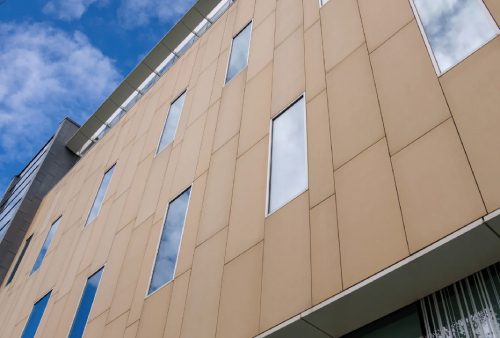
Aluminum composite material panels (ACM) consist of thin aluminum sheets bonded to a core, whereas aluminum plate panels are solid aluminum sheets used for exterior cladding. This variation in composition influences weight, rigidity, fabrication, fire documentation, cost, and durability.
When a project requires flexibility in shaping, bending, and revealing, as well as architectural details and a modern look, aluminum composite material (ACM) is often chosen. For projects requiring durable, impact-resistant solid metal cladding, an aluminum plate is typically chosen.
Aluminum Plate vs ACM Panels: What Is the Difference?
The main differences between aluminum plates and ACM panels are their composition, weight, formability, cost, durability, fire considerations, and facade applications. ACM is a composite panel, whereas an aluminum plate is a solid sheet of aluminum.
Quick Comparison
| Factor | ACM Panels | Aluminum Plate |
|---|---|---|
| Composition | Aluminum skins bonded to a core | Solid aluminum sheet |
| Typical Thickness | Typically 4 mm | Typically 3 mm |
| Panelized System Weight
Formability |
Approximately 2.3 psf
Excellent flexibility for curves and complex shapes |
Approximately 1.8 psf
Well suited to clean lines, crisp edges, and formed details |
| Cost | Often more cost-efficient | Often higher material/fabrication cost |
| Durability | Durable when properly specified | Strong impact resistance and solid metal performance |
| Fire performance | Composite panel with minor combustible components, including the adhesive used to bond the layers together; performance depends on core type, rating, assembly, and code requirements. | Non-combustible solid aluminum cladding material, making fire performance one of its biggest advantages over ACM. |
The choice between aluminum plate and ACM affects more than the facade’s appearance. It also influences structural loads, installation methods, fire performance, maintenance requirements, and overall project planning.
For Canadian projects, fire performance is a critical part of the material selection process. Architects should verify that the selected wall assembly complies with the applicable National Building Code of Canada (NBC) requirements for combustible cladding and has been evaluated in accordance with relevant standards, such as CAN/ULC-S134, where required. Always confirm the tested assembly and code requirements for your specific project and jurisdiction.
How Do You Choose Between an Aluminum Plate and ACM Panels?
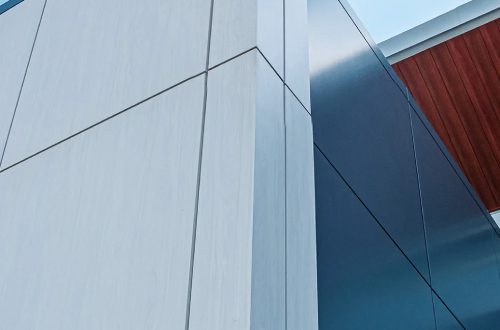
The decision between aluminum plate and ACM panels is based on code requirements, project budget, facade design, building height, impact exposure, finish goals, panel size, and system choice. The most suitable option is the one that meets a project’s performance requirements, rather than the cheapest materials.
Project teams should ask:
- Is this a low-rise, mid-rise, or high-rise building?
- Are there strict fire-performance requirements?
- Will panels be exposed to impact at ground level?
- Is the design flat, curved, complex, or highly detailed?
- Is weight a major consideration?
- What finish, colour, and maintenance expectations apply?
- What system documentation is required for approval?
However, for many commercial buildings, ACM may be an excellent solution when lightweight construction, contemporary design, and ease of fabrication are priorities. If the area in question is more demanding or could have a significant impact, an aluminum plate might be a better option.
When to Use an Aluminum Plate Instead of ACM
Consider using an aluminum plate instead of ACM if solid metal construction, higher impact resistance, durability, or high-end detailing are more important than lightweight flexibility. For areas that require a more durable, heavier-duty cladding material, an aluminum plate is often a good choice.
This can include entrances, ground-floor areas, soffits, fascias, canopies, balconies, institutional installations, transit installations, or buildings where durability is a major concern. When a clean architectural line and formed panels are desired, an aluminum plate can also be used to achieve a solid metal finish.
This isn’t to say that an aluminum plate is always better. When lighter panels, efficient fabrication, and wide design flexibility are desired, then ACM might be a better option for the project.
Which Is Better for Facade Cladding: Aluminum Plate or ACM?
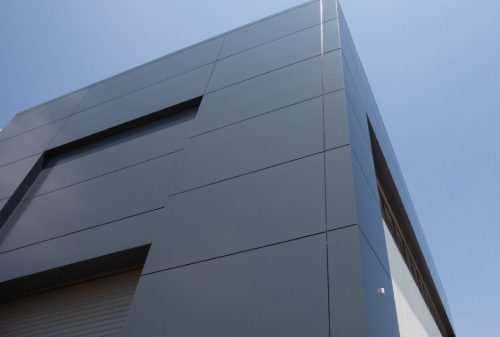
The better facade cladding choice depends on the project. An aluminum plate may be better for solid metal durability and impact resistance, while ACM may be better for lightweight, formable, cost-conscious, and visually flexible facade designs.
For example, the choice between ACM and solid aluminum panels for facade projects often comes down to performance priorities. If weight and budget are major drivers, ACM can be attractive. If the project is non-combustible construction, plate is a better choice.
A balanced facade may even use both materials. Some projects combine ACM for large wall areas with aluminum plate for canopies, entrances, soffits, or high-impact locations. Ontario Panelization’s product range allows project teams to compare these options with a single facade partner.
What Should Canadian Project Teams Know About Aluminum Plate and ACM?
Canadian project teams should consider code compliance, fire-rated assemblies, climate exposure, rainscreen performance, fabrication quality, and supplier documentation when comparing aluminum plate and ACM. Material selection should always be reviewed against the building type and applicable local code requirements.
The biggest fire-performance advantage of aluminum plate is that it is a non-combustible cladding material. ACM panels, on the other hand, are composite panels and contain minor combustible components, including the bonding adhesive used between layers. This does not automatically remove ACM from consideration, but it does mean the plate has a clear advantage when non-combustibility is a priority.
Safety questions such as “Is ACM safer than an aluminum plate for high-rise buildings?” should not be answered with a simple yes or no. Safety depends on the core type, fire rating, tested assembly, installation method, building height, and the documentation required by the authority having jurisdiction.
How Do Aluminum Plates and ACM Panels Compare in Cost and Durability?
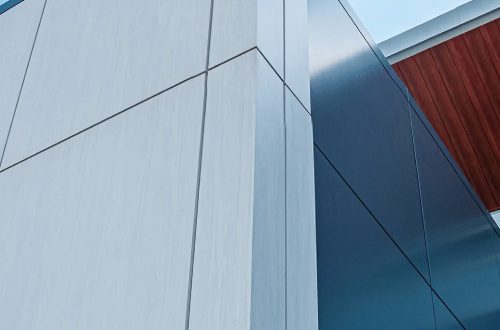
Cost-effectiveness, lightweight construction, and design options are typically the reasons for choosing ACM panels, whereas aluminum plates are chosen for their solid metal strength and impact resistance. The true cost should include materials, fabrication, installation, maintenance, code requirements, and life expectancy.
When you ask, “How do the cost and durability of aluminum plates compare to ACM panels?” don’t just compare the panel’s price. A low-cost panel can end up costing more if it requires rework, doesn’t perform as required, or is installed in the wrong application. In some cases, a more costly material may offer better value in hazardous areas or where its performance is needed.
Cost and Durability Factors
- Panel thickness and finish
- Fire-rated core or assembly requirements
- Fabrication complexity
- Installation system
- Impact exposure
- Maintenance expectations
- Replacement or repair access
- Building height and code requirements
The best specification is rarely about one material being universally superior. It is about matching the material to the building.
Conclusion
The choice between aluminum plate and aluminum composite material depends on the project’s performance requirements. ACM panels may be a good choice for lightweight, flexible, modern facade applications where non-combustible construction is not required. Aluminum plate, however, offers a key advantage because it is a non-combustible cladding material, making it the more appropriate option for projects where fire performance, code compliance, impact resistance, and solid metal construction are priorities. At Ontario Panelization, we assist architects, developers, and contractors in comparing facade systems, exploring product options, and choosing the most appropriate panel for project objectives and code requirements. Contact us today for any questions about aluminum plate or ACM for a commercial building.
FAQs:
Is aluminum plate more fire-resistant than ACM?
Aluminum plate has a major fire-performance advantage because it is a non-combustible solid aluminum cladding material. ACM is a composite panel and includes minor combustible components, such as the adhesive used to bond the layers together. ACM fire performance should be reviewed based on core type, tested assembly, code requirements, and project specifications.
When should I use an aluminum plate instead of ACM?
For projects that require solid aluminum construction, greater impact resistance, premium construction quality, or strong detailing in challenging facade areas, use an aluminum plate rather than ACM. It may be preferable for entrances, lower-level areas, soffits, canopies, balconies, or high-traffic elevations, where a solid metal panel would be more suitable.
Is ACM cheaper than an aluminum plate?
In many commercial facade applications, ACM is a more cost-effective solution than aluminum plate, due to its lighter weight, formability, and greater efficiency. Final cost will vary depending on the finish, fire rating, panel thickness, fabrication complexity, installation system type, project size, and required performance.
Can ACM panels be used on high-rise buildings?
ACM panels can be used in high-rise buildings when the product type, core type, fire rating, tested assembly, and installation meet code requirements. Project teams are advised to review local regulations, documentation requirements, and building-type specifications.
How do aluminum plates and ACM panels compare in cost and durability?
An aluminum plate is an extremely rigid metal with good impact resistance, whereas ACM is lightweight, rigid, versatile in design, and cost-effective. Upfront material costs, fabrication, installation, maintenance, fire requirements, and building exposure should be included in the best comparison.